Tap vs Bottled Water Is One Truly Better for Your Health and the Environment?

Water is essential for life, but when it comes to drinking water, many people face a common dilemma: should they choose tap water or bottled water? The debate often centers on health, safety, taste, and environmental impact. This post explores these aspects based on insights from a BBC article and podcast that examine whether bottled water is cleaner and better for you than tap water. https://www.bbc.co.uk/programmes/articles/4qJdPSznbKK1rJcDkKlWMSL/is-bottled-water-cleaner-and-better-for-you-than-tap

Understanding the Quality of Tap Water
Tap water in many developed countries undergoes strict regulation and testing. Water companies must meet safety standards set by government agencies, ensuring that tap water is free from harmful bacteria, viruses, and dangerous chemicals. For example, in the UK, water suppliers regularly test for contaminants and publish water quality reports. Leaving aside other water supplier practices, what comes out of the tap is drinkable.
Despite this, some people worry about the presence of trace chemicals, such as pesticides or pharmaceuticals, which can occasionally be detected in tap water. These substances usually appear in very low concentrations, far below levels considered harmful. Additionally, the taste of tap water can vary depending on the local water source and treatment methods, which sometimes leads consumers to prefer bottled water.
What About Bottled Water?
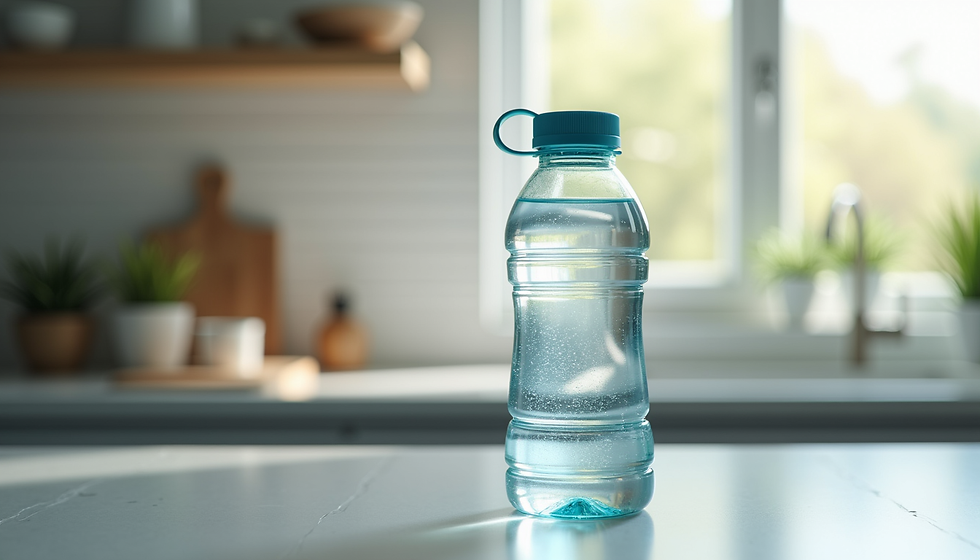
Bottled water is often marketed as pure, natural, or healthier than tap water. It comes from various sources, including springs, wells, or even municipal supplies. Bottled water companies must comply with food safety regulations, but these standards can differ from those applied to tap water.
One concern is that bottled water is not necessarily cleaner or safer than tap water. Studies have found that some bottled water brands contain microplastics or other contaminants. Moreover, bottled water can sometimes be just filtered tap water repackaged. The price difference between tap and bottled water is significant, with bottled water costing hundreds to thousands of times more per litre.
Environmental Impact of Both Choices
The environmental footprint of bottled water is much larger than that of tap water. Producing plastic bottles requires fossil fuels, and transporting bottled water adds to carbon emissions. Many plastic bottles end up in landfills or oceans, contributing to pollution and harming wildlife.
In contrast, tap water has a much lower environmental impact. It is delivered through existing infrastructure, which uses less energy and produces minimal waste. Choosing tap water over bottled water can reduce plastic waste and lower your carbon footprint.
When Bottled Water Makes Sense
There are situations where bottled water is a practical choice:
When tap water quality is poor or unsafe
When traveling to places where tap water may cause illness.
For convenience in locations without access to clean tap water.
The Final Takeaway
Tap water and bottled water each have pros and cons, but tap water is generally safe, affordable, and better for the environment in many places.
Bottled water can be useful in certain situations but often comes with a higher environmental cost and no clear health advantage.


Comments